


Smart Packaging Services for Growing Businesses
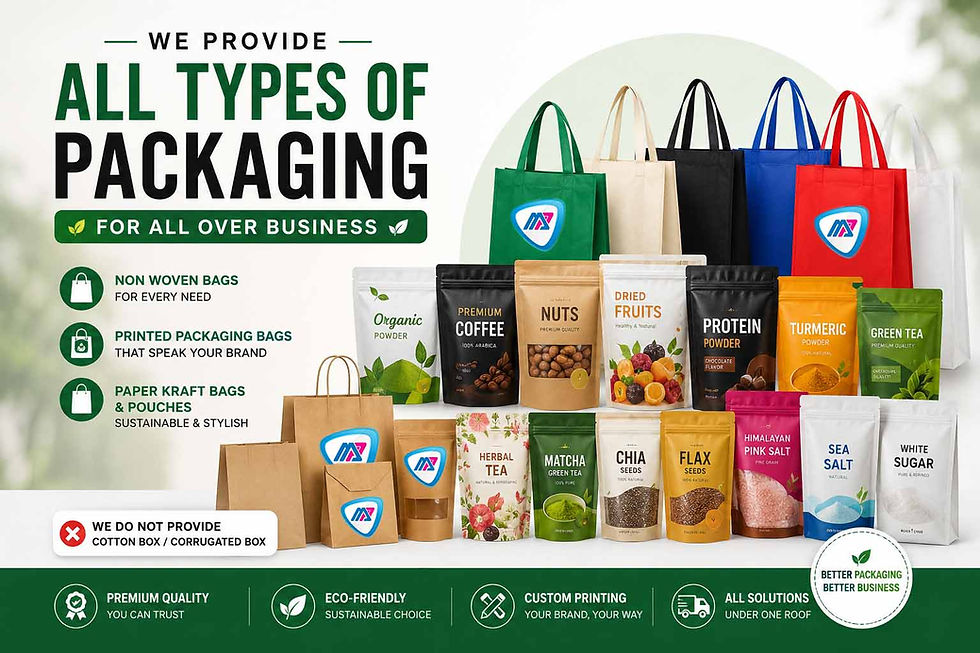
Most growing brands hit the same wall. Orders go up, but packing gets slow, messy, and costly. That’s where smart packaging starts to matter. A good box or pouch does more than hold a product. It shapes the first impression. It cuts waste. It helps people trust what they buy.
A lot of owners wait too long to fix this part. They focus on ads first. Or stock. Or social posts. But poor packaging can undo all that work in seconds. A ripped mailer or weak seal tells buyers your brand cuts corners. People notice.
The good news is that smart systems now cost far less than most people think. Even small businesses can get custom tools, fast runs, and clean design without huge orders. And buyers expect more now. They care about looks, safety, speed, and waste all at once.
Cheap Boxes Can Cost You More
Saving money upfront feels smart. Until returns pile up.
Thin mailers split open. Weak seals leak. Bad sizing wastes space in trucks and shelves. Then shipping costs rise. So does damage. This is where many brands learn a hard lesson about packaging.
I saw this happen with a small soap seller a few years ago. They picked the lowest price supplier they could find. Orders looked fine at first. Then summer heat hit. The wraps melted together. Labels peeled off. Customers posted photos online. Sales dropped within weeks.
Good packaging should protect the item first. Looks come after that.
Protective layers matter more for food businesses, skincare brands, and beauty brands. Moisture-resistant packaging helps stop leaks and mold. Tamper-evident packaging builds trust fast. Food-safe materials also matter if products touch snacks, baked goods, or dry mixes.
Definition block: Protective packaging helps stop damage during shipping and storage. It can include padded mailers, wraps, fillers, or seal layers. The goal is simple. Keep the item safe until it reaches the buyer.
Some people think thicker always means better. That’s not true. Lightweight materials often cut shipping costs and still protect products well. Flexible packaging, stand-up pouches, and flat pouches work better than rigid boxes in many cases. It depends, and that matters a lot here.
Why Do Buyers Care So Much About the Unboxing Feel?
Yes, they do. And fast-growing brands already know this.
People judge products before they use them. The colors, folds, tissue paper, and even the tape shape that feeling. One smart packaging choice can turn a one-time buyer into a repeat buyer.
The thing is, buyers share good moments online. A clean unboxing experience helps social media shareability and word-of-mouth marketing. That matters for e-commerce brands and subscription box businesses trying to grow without huge ad costs.
Custom-designed packaging helps create product identity. But flashy designs alone won’t save weak products. That’s another myth worth pushing back on. Some brands spend huge money on ribbons, stickers, and premium packaging feel while ignoring quality assurance. Buyers notice both.
Definition block: Brand recognition means people remember your product fast. Color, shape, labels, and logo printing all help create that memory. Strong visual appeal helps products stand out on crowded shelves.
And this is the part that surprises most people. Minimalist packaging often works better than loud designs. Clean kraft paper, simple typography on packaging, and a custom color palette can feel more honest. Environmentally aware shoppers also trust simple looks more than overdone ones.
Custom stickers, thank-you cards, hang tags, and packaging inserts still help. But they need balance. Too much filler can feel fake.
The Waste Problem Buyers No Longer Ignore
Customers talk about waste now. A lot.
Single-use plastics alternatives have become a major focus for startups, boutiques, and grocery retailers. Buyers ask questions about landfill contributions, recyclable materials, and carbon footprint before they buy. Some even skip brands that ignore sustainability goals.
That shift changed how smart packaging works.
Many companies now use biodegradable materials, compostable materials, and reusable bags to lower environmental impact. PLA, bagasse, bamboo, and paper bags show up more often because they break down faster and support waste reduction initiatives.
Definition block: Compostable materials break down over time in the right conditions. They leave far less waste behind than many plastics. That helps support zero-waste packaging goals.
But there are exceptions worth knowing. Not every eco option works for every product. Some biodegradable films fail in wet conditions. Some plastic-free alternatives cost too much for small businesses. In practice though, smart brands mix sustainable practices with cost-effectiveness instead of chasing trends blindly.
Eco-friendly tape, water-based inks, and soy-based inks help reduce harm without huge price jumps. Refillable systems also cut waste long term. Which is exactly why more food businesses and cosmetics brands now test reusable containers.
Environmental regulations also keep changing. Regulatory demands around food-grade packaging, FDA compliance, and safety standards grow tighter each year. Trusted manufacturers now focus heavily on international compliance, REACH compliance, RoHS compliance, and BRC standards because buyers and stores expect proof.
The Part Most Businesses Get Wrong About Shipping
Most brands think shipping starts after packing. It doesn’t.
Shipping efficiency begins with the shape, size, and weight of the pack itself. Bad sizing wastes truck room. Weak seals cause returns. Oversized boxes drive up fees. Smart packaging solves these issues before products leave the shelf.
This matters even more for startups scaling fast. A low minimum order quantity sounds great early on. But if suppliers can’t handle flexible production runs later, growth stalls fast.
Definition block: Supply chain management means moving goods from maker to buyer smoothly. It covers storage, shipping, timing, and stock flow. Good systems save both time and money.
Reliable suppliers matter here more than flashy design studios. On-time delivery and consistent delivery protect customer satisfaction better than trendy visuals. And logistics problems can destroy trust faster than almost anything else.
That said, bulk ordering doesn’t always save money. Many people believe huge orders cut costs every time. But storage efficiency matters too. If stock sits for months, you lose cash flow and space. Smaller flexible runs often work better for growing brands.
Poly mailers, zip-lock pouches, vacuum pouches, and side-gusset bags now help online retailers ship more products with less weight. Moisture-resistant and resealable packaging also lowers spoilage and waste.
Smart Tech Is Quietly Changing Everything
Most buyers don’t notice smart packaging technology right away. But they use it all the time.
QR code packaging now links people to videos, care tips, rewards, or refill orders in seconds. NFC-enabled packaging can confirm real products and stop fake goods. That matters a lot for luxury brands and skincare brands.
Definition block: Smart packaging technology adds digital tools to physical packs. Codes or chips connect buyers to extra product details. It helps brands build customer engagement after the sale.
Future-focused packaging also helps track stock and product freshness. Some food-grade packaging now changes color when heat damage happens. Others track seal integrity during shipping.
Still, not every trend lasts. Interactive packaging looks exciting online, but some buyers find it annoying. There’s a balance between useful and gimmicky.
Digital printing keeps getting better too. High-resolution printing and flexographic printing now allow fast changes for seasonal packaging and limited edition packaging. Smaller sellers can test fresh looks without huge costs.
And buyers respond to that. Personalized packaging creates emotional connection. It improves the gifting experience. It also helps create stronger brand consistency across stores, websites, and social pages.
What Smart Brands Ask Before They Pick a Packaging Partner
The best questions are rarely about color first.
Smart businesses ask about lead times, storage, shipping damage, and print quality before anything else. They also ask if suppliers meet ISO 14001 or FSC certified rules. Those details matter more than trendy buzzwords.
Definition block: A packaging partner helps brands design, print, store, and ship product packs. Good partners solve problems early. Poor ones create delays and waste.
Custom order fulfillment matters too. So does scalable packaging solutions support. A partner that works for 500 orders may fail at 50,000.
And here’s another thing many people miss. Fancy design means little without clear communication. The best suppliers explain material thickness, barrier properties, and food contact safe rules in plain words. They don’t hide behind jargon.
Small businesses and artisan sellers should also test samples first. Print quality can change fast between batches. The same goes for color customization and custom die-cut shapes.
There’s no perfect setup for every brand. Food businesses need different wraps than fashion brands. Corporate gifting needs different aesthetics than supermarkets. Consumer behavior changes by market, age, and product type.
But one thing stays true across nearly every niche. Smart packaging helps buyers feel safe, valued, and ready to buy again.
FAQs
how much should a small business spend on packaging?
Start with what protects your product well. Then improve looks over time. Many small brands spend too much on style too early.
is eco packaging always more expensive?
Not always. Paper bags, lightweight pouches, and soy-based inks can lower costs in some cases. Shipping weight also matters.
what packaging works best for online stores?
It depends on the product. Poly mailers work well for clothes. Vacuum pouches help food stay fresh. Fragile items need padded mailers or fillers.
do customers really care about unboxing?
Yes. People remember how products arrive. A clean and safe pack builds trust and helps repeat purchases.
how can i make packaging feel more premium?
Use strong materials first. Then add small touches like tissue paper, labels, or thank-you cards. Clean design often feels more high-end than crowded design.

Comments