


Eco non woven bags packaging for modern retail stores online
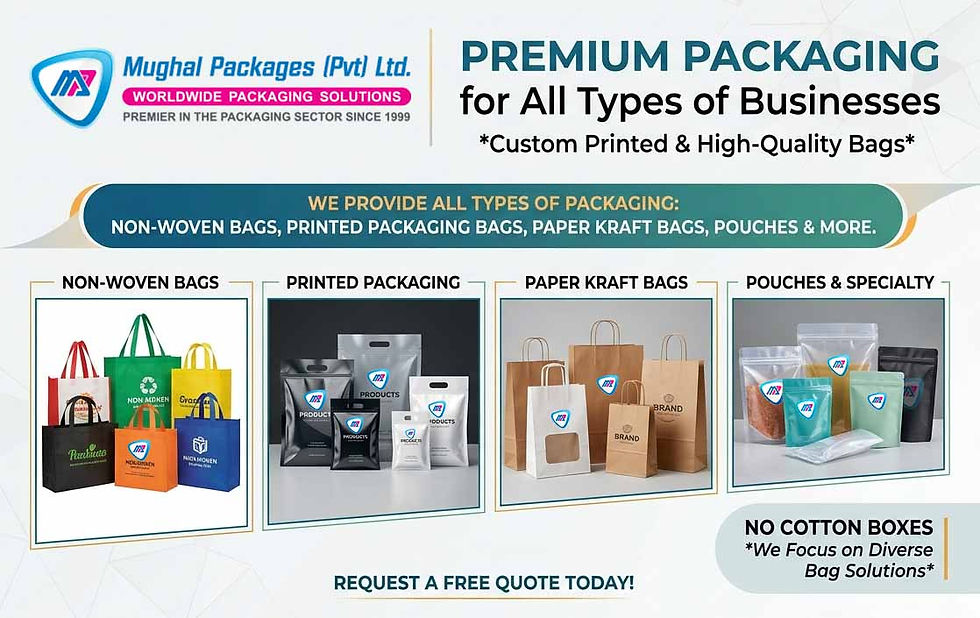
Small pack choices can change how people see your shop. That sounds simple. But it’s true. A weak bag feels cheap in the hand. A smart one feels safe, clean, and worth the money. That’s one reason many online retailers now use non woven bags for shipping, gifts, and store packs.
Shoppers pay close attention now. They care about waste reduction initiatives, reusable bags, and plastic free alternatives. They also notice print quality, color customization, and the full unboxing experience. A bag is no longer just a bag. It shapes the first impression fast.
I saw this shift myself at a local weekend market last year. One seller moved from thin plastic wraps to non woven bags with simple logo printing and kraft paper tags. People touched the bags longer. They carried them around after buying. Some even came back later that day.
Cheap bags often cost more later
A lot of store owners chase the lowest price first. That sounds smart. In practice though, weak packaging hurts brand trust faster than most people think. Torn handles, bad seals, and poor print work make buyers feel unsure right away.
That’s where non woven bags stand out. They hold shape well. They feel soft but strong. And they work for boutiques, bakeries, skincare brands, supermarkets, and even corporate gifting packs.
The thing is, packaging psychology matters more online. Buyers cannot touch your product before they pay. So the pack becomes part of the product identity. Good branded packaging builds customer loyalty and repeat purchases without loud marketing.
A simple definition helps here. Non woven fabric comes from pressed fibers instead of woven thread. The material feels light, holds print well, and works in many size customization styles. That makes it useful for personalized packaging and scalable packaging solutions.
Some people think paper bags always beat fabric based packs for the environment. That does not work for every situation. Paper can rip fast in rain or heavy loads. A reusable bag used many times may create less landfill contributions over time. Life cycle assessment matters more than quick claims.
Why do online shops keep moving to eco packs?
Online stores want lighter packs with lower ship costs. They also want fast turnaround and storage efficiency. That’s where non woven bags help with logistics and supply chain management in a real way.
Boxes take space. Thick wraps raise ship fees. But flexible packaging cuts bulk while still giving protective packaging support. Many small businesses now mix tissue paper, custom stickers, thank you cards, and non woven bags into one clean system that feels personal without huge cost.
Here is what most people miss. Buyers do not always want fancy packs. They want care. A neat bag with soy based inks and clean typography on packaging often feels more honest than shiny shrink wrap or loud ribbons.
There are exceptions worth knowing though. Food businesses need food safe materials and moisture resistant packaging. Beauty brands may need tamper evident packaging. Some shops also need FDA compliance or REACH compliance for certain goods. So the right pack depends on what you sell.
A short definition fits here too. Sustainable practices aim to lower waste and cut harm during shipping and use. That may include recyclable materials, water based inks, refillable systems, and low minimum order quantity production.
The part shoppers notice before they even open the bag
People judge packs in seconds. That’s human nature. Shelf presence still matters online because buyers post photos, leave reviews, and share orders on social media.
That is exactly why non woven bags work well for fashion brands and niche markets. The bags hold shape better than many poly mailers. They also give a premium feel without the high cost linked to luxury packaging.
Color plays a big role too. A soft custom color palette can shape emotional connection fast. So can clean labels, hang tags, and minimalist packaging. Loud design is not always better. Some of the best packs look calm and simple.
And this is the part that surprises most people. Buyers often keep good bags. That turns packaging as marketing tool into something useful in daily life. A reused bag keeps your logo in public view again and again.
A basic definition makes this easier to see. Brand recognition grows when people remember your look, colors, and feel. Strong packaging consistency helps buyers spot your products faster later on.
Many startups now use non woven bags with QR code packaging tied to thank you pages or care tips. That small touch can raise customer engagement without huge spend.
Not every eco claim tells the full story
Green claims sound good. Some are weak. A bag made from biodegradable materials may still fail if local waste systems cannot process it. Compostable materials face the same problem in many towns.
That said, non woven bags still help many shops lower carbon footprint compared with single use packs that tear after one trip. The key word is reuse. A strong bag used ten times beats a weak one used once.
Some sellers also think thicker always means better. That’s another myth worth pushing back on. Heavy material raises shipping efficiency problems and adds cost effectiveness issues. Lightweight materials with smart barrier properties often work better.
One smart move is mixed packaging. A store may use padded mailers for fragile goods, stand up pouches for dry snacks, and non woven bags for store pickup orders or gift packs. It depends, and that matters a lot here.
A simple definition belongs here too. Circular economy principles focus on reuse instead of throw away habits. The goal is to keep materials in use longer and lower waste.
Today’s environmentally aware shoppers read labels closely. They look for certified suppliers, quality assurance steps, and safe non toxic inks. They also care about reliable suppliers and on time delivery because late shipping hurts trust fast.
What makes a bag feel worth keeping?
Texture matters. So does handle strength. But shape may matter most. A bag that folds badly or sags quickly feels disposable even if the print looks good.
That’s why many e commerce brands now test non woven bags with custom die cut handles, resealable packaging parts, or personalized aesthetics built for gifting experience photos. Smart design lifts perceived value in seconds.
The rise of subscription box businesses changed buyer habits too. People now expect some kind of visual appeal when orders arrive. Yet too much filler or stretch film can annoy buyers who care about sustainability goals.
Good packs feel balanced. Not plain. Not wasteful.
A short definition fits naturally here. Custom designed packaging means shaping size, print, feel, and layout around your own buyer needs. That may include digital printing, custom order fulfillment, and even seasonal packaging styles.
Many sellers also forget storage needs. Flat packed non woven bags save room. That helps small warehouses and home based artisan sellers manage stock without clutter.
Future focused packaging will likely move toward smart packaging technology, NFC enabled packaging, and digital first packaging. But the core idea will stay the same. People want packs that feel useful, safe, and easy to trust.
FAQs
are non woven bags good for online stores?
Yes. They are light, strong, and easy to print on. Many shops use them for gifts, store pickup, and branded shipping packs.
can these bags hold heavy items?
Most can hold more weight than thin plastic wraps. Material thickness and handle style make a big difference.
do buyers really care about eco packaging?
Many do. People now look at waste, reuse, and clean design before buying again from a shop.
are non woven bags safe for food items?
Some are made with food grade packaging standards. Always check for food contact safe and FDA compliant material before use.
do custom bags cost too much for small shops?
Not always. Many suppliers now offer flexible production runs and low minimum order quantity options for startups and small businesses.


Comments