


Reliable Packaging Solutions Tailored for Your Business
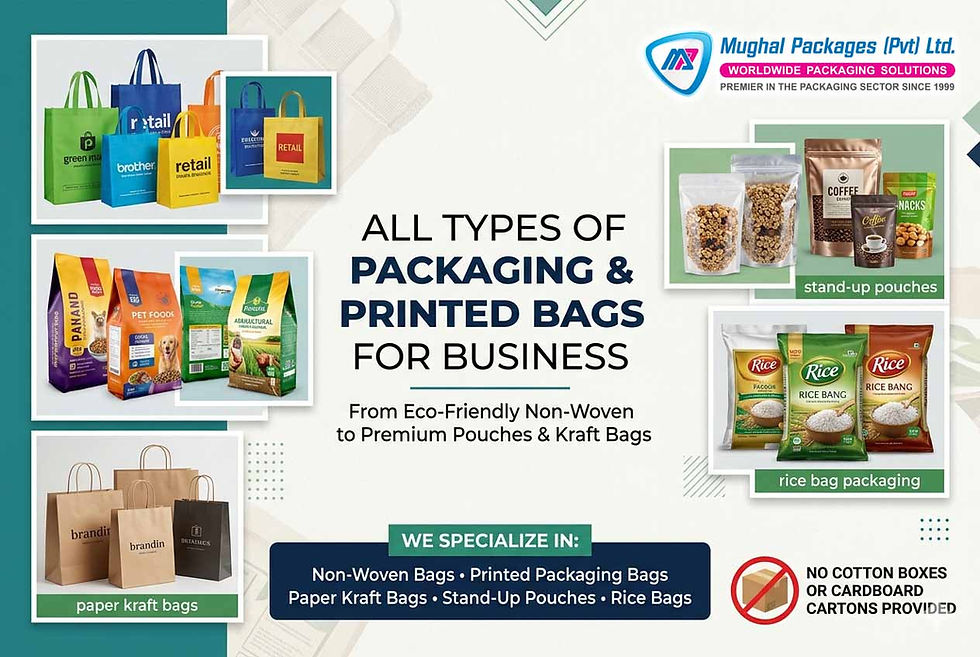
Choosing the right Packaging can change how people see your business. It can protect goods, cut waste, lower costs, and help buyers remember your brand. Yet many businesses still treat Packaging as an afterthought. That's often where problems begin.
A box, pouch, bag, or mailer does more than hold a product. It shapes the first impression. It affects shipping costs. It can even influence repeat sales. Reliable Packaging helps products arrive in good shape while making customers feel confident about what they bought.
The Part Most Businesses Get Wrong
Many owners focus only on price. That sounds smart at first. But the cheapest option can create bigger costs later.
Damaged items lead to returns. Poor print quality can weaken trust. Weak materials may fail during shipping. A small saving upfront can become a much larger loss.
I've seen businesses switch to lower-cost materials and then spend months dealing with customer complaints. The savings disappeared fast.
A reliable Packaging plan balances cost, strength, appearance, and speed. It also considers customer preferences and future growth.
A simple definition helps here. Packaging is the material used to protect, store, move, and present a product. Good packaging protects the item while helping the brand stand out.
Businesses today also face Regulatory demands and changing packaging regulations. Safety rules, food safety certification, FDA compliance, BRC standards, REACH compliance, RoHS compliance, and international compliance can all affect material choices. Working with certified suppliers helps support quality assurance and safety standards.
Why the First Few Seconds Matter So Much
Customers often decide how they feel about a brand before they use the product.
That first moment matters.
Branded packaging creates stronger brand recognition. It supports product identity and builds brand trust. The visual appeal of a package can shape the buying decision long before the product itself gets tested.
Custom-designed packaging allows logo printing, color customization, size customization, typography on packaging, and a custom color palette. These details create brand consistency and improve shelf presence.
The thing is, many people believe flashy designs always work best. That's not true. Sometimes minimalist packaging creates a stronger premium feel than crowded artwork. There are exceptions worth knowing, and customer preferences should guide the choice.
A good package creates an emotional connection. It supports brand storytelling. It improves customer engagement. It can even increase word-of-mouth marketing and social media shareability.
For e-commerce brands, online retailers, boutiques, subscription box businesses, startups, artisan sellers, fashion brands, skincare brands, beauty brands, cosmetics brands, luxury brands, bakeries, restaurants, grocery retailers, food businesses, supermarkets, niche markets, and small businesses, the unboxing experience often becomes part of the product itself.
Inside the package, packaging inserts, thank-you cards, custom stickers, hang tags, tissue paper, ribbons, fillers, stickers, and labels can create a personalized customer experience. This extra touch often leads to customer loyalty and repeat purchases.
A useful way to view branding is this. Packaging acts as a marketing tool. It helps people remember your business and shapes perceived value every time they receive an order.
Will Better Packaging Really Lower Costs?
Yes, but not always in the way people expect.
Better Packaging often lowers damage rates. It can improve storage efficiency. It can reduce wasted space. It can support shipping efficiency. These gains add up over time.
Reliable suppliers also help. Consistent delivery and on-time delivery reduce delays. Flexible production runs allow businesses to adjust stock levels. Bulk ordering may reduce unit costs. Low minimum order quantity options help newer companies avoid overbuying.
Definition block. Scalable packaging solutions allow businesses to increase order volume without changing their entire system. The goal is steady growth without disruption.
Material choice plays a large role here. Lightweight materials can reduce freight costs. Flexible packaging often takes up less room than rigid formats. Lightweight pouches, stand-up pouches, flat pouches, side-gusset bags, vacuum pouches, zip-lock pouches, and resealable packaging all serve different needs.
Some products need stronger protection. Protective packaging may include padded mailers, poly mailers, wraps, films, shrink wrap, stretch film, LDPE films, HDPE films, or moisture-resistant packaging. Food items often require food-grade packaging with food-safe materials, food contact safe surfaces, barrier properties, and strong seal integrity.
In practice though, bigger packaging isn't always safer. That's another common myth. Extra space can allow products to move around during shipping. A better fit often protects products more effectively.
This is where logistics becomes critical. Strong supply chain management, storage efficiency, custom order fulfillment, wholesale packaging planning, and global sourcing can all affect long-term cost-effectiveness.
The Shift Buyers Are Already Making
Customer expectations have changed.
Many environmentally aware shoppers now look closely at materials before buying. Eco-conscious consumer behavior has become part of normal buying habits.
Businesses that ignore environmental impact may struggle to keep pace.
Definition block. Sustainable packaging aims to reduce waste and lower harm to the environment. It focuses on smarter material choices and better resource use.
Today, many companies support sustainability goals through sustainable practices and waste reduction initiatives. Some choose recyclable materials. Others use biodegradable materials, compostable materials, biopolymers, PLA, bagasse, bamboo, kraft paper, reusable bags, non-woven bags, paper bags, or plastic-free alternatives.
Single-use plastics alternatives continue to grow in demand. Many brands now explore refillable systems and zero-waste packaging. Circular economy principles encourage reuse and recycling rather than disposal.
A life cycle assessment helps businesses understand the carbon footprint and landfill contributions tied to a package. Environmental regulations and ISO 14001 requirements may also influence decisions.
That said, sustainable options don't fit every situation. Some products still need high barrier properties or added protection. The best answer depends on the product, shipping route, and customer needs.
Eco-friendly tape, water-based inks, soy-based inks, and non-toxic inks provide additional ways to reduce environmental impact without changing the full package structure.
What Should You Look For In a Packaging Partner?
The right partner does more than supply boxes and bags.
A strong packaging partner helps solve problems before they happen. They understand packaging trends, future-focused packaging, and sustainable innovation. They also help businesses prepare for growth.
Reliable suppliers offer competitive pricing, fast turnaround, flexible production runs, and trusted manufacturer support. They maintain print quality across projects and understand material thickness requirements.
Definition block. A packaging partner is a company that helps plan, produce, and deliver packaging solutions that fit business goals. Good partners focus on long-term results, not only short-term sales.
Print options matter too. High-resolution printing, digital printing, flexographic printing, and custom die-cut production all affect final appearance.
The best providers ask questions. They want to know how products move, how buyers shop, and where future demand may come from. Which is exactly why businesses that treat packaging as a strategic asset often see better results than those that buy solely on price.
The New Ideas Worth Watching
Some trends get more attention than they deserve. Others quietly change the market.
Smart packaging technology is one example. QR code packaging and NFC-enabled packaging can connect buyers to product details, care guides, or loyalty programs.
Interactive packaging creates new ways for brands to communicate. Packaging personalization technology allows highly personalized designs without large production costs.
Limited edition packaging and seasonal packaging help brands create excitement. Custom aesthetics, creative packaging design, uniqueness, aesthetic appeal, enhancement of gifting experience, and stronger market appeal can all support sales when used carefully.
And this is the part that surprises most people. New technology doesn't replace the basics. A beautiful package that fails during shipping still fails.
Reliable Packaging starts with protection. Then it supports branding. Then it supports growth.
When businesses balance durability, moisture-resistant and tamper-evident packaging, custom branding, sustainability goals, customer satisfaction, and dependable delivery, they create a system that works now and continues working as demand grows.
FAQs
how do i choose the right packaging for my product?
Start with product size, weight, and shipping needs. Then look at branding, budget, and customer expectations. Test before ordering large volumes.
does sustainable packaging cost more?
Sometimes yes. Sometimes no. Costs depend on materials, order size, and shipping savings.
what packaging works best for online stores?
Many online stores use poly mailers, padded mailers, or lightweight pouches. The best option depends on what you ship.
can custom packaging help increase sales?
It can. Better presentation often improves brand trust and customer satisfaction. That can lead to repeat purchases.
how often should businesses review their packaging?
At least once a year. Review sooner if shipping costs, customer feedback, or product lines change.


Comments