


Biodegradable shopping bags for businesses | Eco Packaging

Biodegradable shopping bags are increasingly becoming a key element in modern retail and business practices. With rising consumer preferences for eco-friendly products, businesses must adopt sustainable packaging to meet demands and regulatory requirements. Choosing biodegradable shopping bags can improve brand recognition, reduce waste, and provide long-term benefits while maintaining functionality and cost savings.
Meeting Regulatory Requirements with Eco Packaging
Businesses today must comply with strict regulations on single-use plastics. Officials demand companies implement sustainable practices that support waste reduction. By choosing biodegradable and compostable bags, businesses can stay compliant, avoid fines, and demonstrate corporate responsibility. Certified suppliers provide assurance through certifications and quality standards, ensuring legal compliance and consistent packaging solutions.
Aligning with Customer Preferences
Modern consumers prioritize environmentally conscious choices. Offering biodegradable shopping bags shows businesses are aware of their impact and committed to sustainability initiatives. Customized branding, colors, and logos enhance visual appeal while reflecting a brand ethos focused on the planet. Boutiques, supermarkets, and retailers can use promotional bags to build loyalty, encourage repeat purchases, and strengthen customer relations.
Types of Biodegradable Bags and Material Options
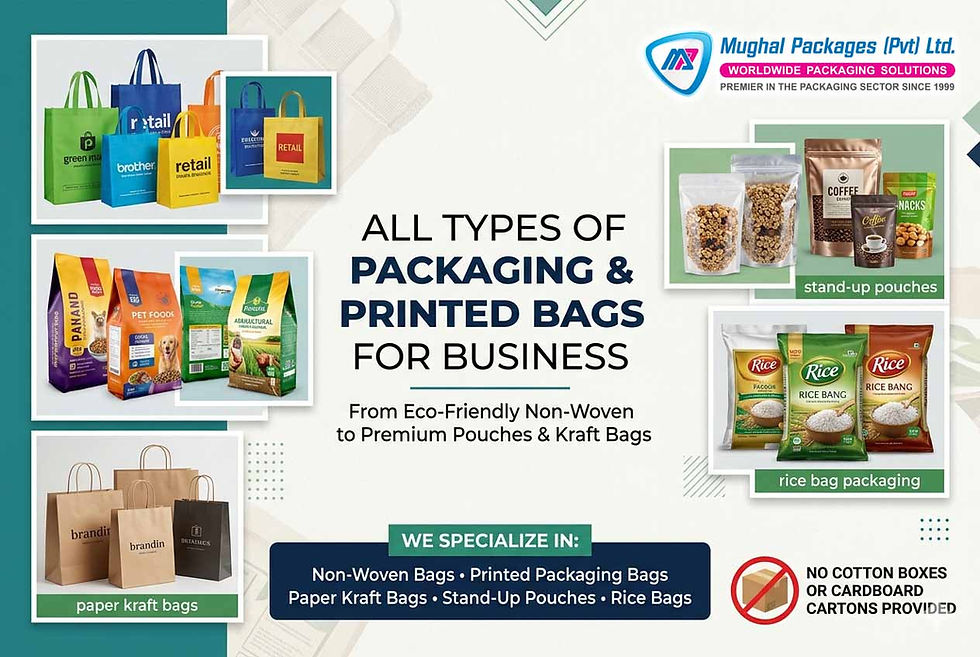
Businesses can select from non-woven, paper, pouches, zippered, polyethylene film, and customizable bags.
Each material offers unique advantages:
Non-woven: Durable, reusable, and lightweight
Paper: Recyclable and eco-friendly
Polyethylene: Biodegradable polymers for flexible packaging
Zippered: Secure storage for cosmetics, groceries, and merchandise
Custom sizes: Supports specialized production and product identity
Choosing the right bag reduces waste, enhances functionality, and meets specific packaging needs across retail and e-commerce markets.
Cost, Savings, and Long-Term Benefits
Investing in biodegradable shopping bags provides long-term benefits. While initial prices may be moderately priced, bulk ordering reduces per-unit spending.
Businesses enjoy:
Cost savings from reusable bags
Reduction in landfill contributions
Enhanced brand image among eco-conscious shoppers
Opportunities for marketing through customized packaging
Case studies show that businesses adopting eco-friendly solutions see measurable results in customer loyalty, reputation, and sustainability goals.
Enhancing Branding and Promotional Impact
Customized biodegradable shopping bags act as mobile advertising tools. Companies can add logos, colors, and designs that align with brand ethos.
Options include:
Corporate giveaways
Boutique merchandise bags
Zippered cosmetic bags
Reusable grocery bags
These creative solutions enhance market appeal, product identity, and brand recognition while supporting environmentally responsible practices.
Functional Advantages in Everyday Business
Biodegradable shopping bags are designed for durability, reusability, and convenience. They can carry food, groceries, and retail products safely. Lightweight, padded mailers, and bubble cushions protect perishable items. Businesses can store or ship products efficiently while minimizing environmental impact. Flexible packaging options allow for custom production, supporting both retail and e-commerce operations.
Collaboration with Suppliers and Partners
Choosing a trusted supplier ensures quality, safety, and reliable delivery. Businesses benefit from:
Samples and client reviews to assess materials
Specialized production for custom sizes and types of bags
Efficient service, quick turnaround, and tailored solutions
Support for recycling and circular economy initiatives
Partnering with certified and committed companies allows businesses to maintain consistency, meet production timelines, and uphold brand standards.
Sustainability Strategies for Retail and Beyond
Businesses must integrate eco-conscious strategies across marketing, operations, and supply chain.
Key strategies include:
Training employees on sustainable practices
Promoting reusable and biodegradable bags to shoppers
Implementing recycling facilities for returned bags
Monitoring carbon footprints and reducing single-use plastics
These actions support long-term sustainability, create positive contributions, and help businesses achieve environmental goals while enhancing brand reputation.


Comments